If your child has nearsightedness, you’ve probably heard the diagnosis and wondered what happens next. Myopia doesn’t just mean glasses; it means a potentially worsening condition each year as your child grows. High myopia is associated with a higher risk of eye diseases such as retinal detachments, myopic maculopathy, glaucoma, and early cataracts.
The team at Focused Eye Care provides myopia control services designed to protect children’s vision for the long term. We serve families throughout Nashua, Milford, and the surrounding areas of New Hampshire with comprehensive options for managing nearsightedness. Our doctors, including Dr. Anjelica Donnelly and Dr. Kendra Phillis, both have training in myopia management and specialty contact lenses, offering families multiple pathways to slow progression.
Understanding Myopia in Children
Myopia occurs when the eye grows too long, causing distant objects to appear blurry. In children, this progression often accelerates during school years. The longer the eye becomes, the higher the prescription needed and the greater the risk for complications later in life.
Traditional glasses correct the blurriness, but they don’t address the underlying progression. Each year, you may be back at our office with your child needing a stronger prescription. For many parents, this cycle raises concerns about their child’s future eye health.
What Makes Stellest Lenses Different
Stellest lenses are a significant advancement in myopia management. As the first and only FDA market-authorized spectacle lens designed to slow the progression of nearsightedness in children, Stellest uses innovative technology to reshape how light focuses in the eye. The lens features H.A.L.T. (Highly Aspherical Lenslet Target) technology, creating a specific pattern across the lens surface.
These lenses work throughout the day while your child wears glasses. Studies show Stellest slowed myopia progression by 71% on average when worn at least 12 hours daily. This means the lens doesn’t just correct vision, it actively works to protect your child’s eye health over time.
Who Benefits Most From Stellest
Stellest lenses work best for children between the ages of 6 and 12 who have progressive myopia. If your child’s prescription keeps increasing at annual exams, or if your family has a history of high myopia, these lenses may be particularly beneficial. Children’s eye exams help us track these changes and determine when intervention makes sense.
Stellest requires consistent wear to be effective. Children who already wear glasses regularly and can commit to wearing them for at least 10 hours a day, six days a week. The lenses look like regular glasses, so there’s no adjustment to appearance, just protection happening behind the scenes.
Comparing Myopia Control Options
Beyond Stellest, we offer additional myopia management approaches at our practice. Orthokeratology (Ortho-K) involves specially designed contact lenses worn overnight to temporarily reshape the cornea. Children wake up with clear vision throughout the day without needing glasses or contacts. This option works well for active children involved in sports or those who prefer not to wear glasses.
Specialty soft contact lenses provide another route for myopia control. These lenses use similar principles to Stellest but in contact lens form. Your child’s lifestyle, comfort level with contacts, and specific vision needs all factor into which option makes the most sense. Dr. Catherine Johnson, our pediatric eye care specialist, has extensive experience helping families navigate these decisions.
Getting Started With Myopia Management at Focused Eye Care
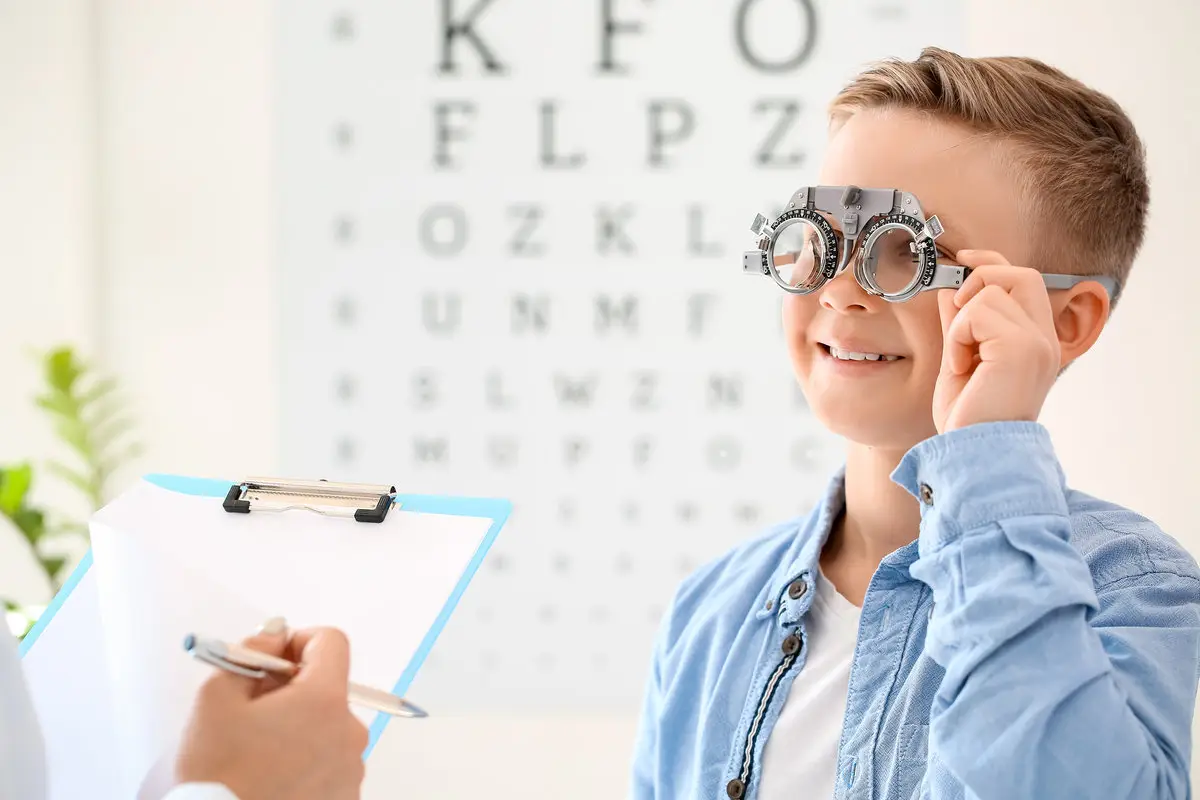
Our team takes a thoughtful approach to myopia management. During your child’s comprehensive eye exam, we measure not just their current prescription but also track how quickly their myopia has been progressing. We discuss your family history, your child’s daily activities, and your preferences for treatment. From there, we recommend the approach that best fits your child’s needs.
Focused Eye Care has earned recognition as “Best Optometrist” in the greater Merrimack and Souhegan Valley region every year since acquiring our Milford location in 2021. All of our doctors are members of the American Optometric Association and the New Hampshire Optometric Association, with several serving as past presidents and board members. When you choose our practice for your child’s myopia management, you’re working with a team deeply invested in advancing eye care standards. Book an appointment to discuss whether Stellest lenses or another myopia control option is right for your child.